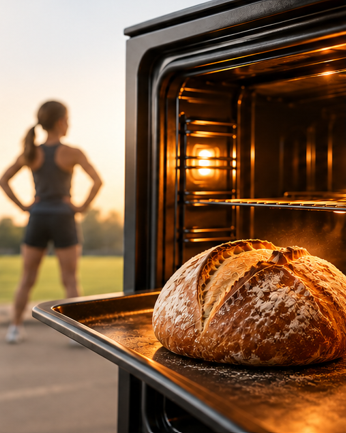
Performance Nutrition: Adolescent athletes
“The hardest thing about food is being bothered to make something”
A recipe for adolescent elite athlete sourdough
Ingredients
- 1 x school-age athlete, still growing and learning
- 1 x supportive coach, finely balanced
- 2 or more parents/caregivers, fresh and well rested where possible
- 1 x generous cup of siblings and friends, for flavour and fun
- 4 x cups of training and competition, folded through gradually
- 1 x national sporting organisation, added for structure
- 1 x dollop of athlete support specialists, seasoned to need
- A dash of cash, if available
Method
- Preheat oven to a stable temperature, to support well developed bread inside and out.
A young athlete needs a safe, stable and supportive environment in which to grow. Too much heat — pressure, excessive training, inadequate recovery or unrealistic expectations — can cause the outside to cook before the inside is ready. The aim is not to rush the bake, but to create an environment that allows the athlete to develop physically, emotionally and socially at their own pace.
- Feed the starter well — this is the key step that helps the bread rise.
Energy availability is the starter culture for adolescent athletes: without enough fuel, the whole loaf struggles to rise. Adolescents need enough total energy to support not only training and competition, but also growth, puberty, immune function, learning, mood, and recovery. Each athlete’s energy needs will be different and will shift as they mature and as the demands of their sport change. A strong nutrition base starts with regular meals — usually three main meals each day — with pre-training, during-training, and post-training snacks added to match the training load. Persistent under-fuelling is like starving the starter: over time it can leave the athlete flat, tired, and more vulnerable to injury, illness, delayed maturation, menstrual dysfunction, and Relative Energy Deficiency in Sport (REDs).
- Mix and combine the ingredients carefully.
The dough needs the right balance of nutrients, water and rest to develop strength and texture. Carbohydrate, protein, healthy fats, hydration and recovery work together in a similar way to help build a strong and adaptable young athlete.
Carbohydrate is the athlete’s main fuel. Growing athletes need carbohydrate-rich foods throughout the day, with amounts adjusted to their training and competition demands. Training without enough carbohydrate is like trying to knead a dry dough – eventually it becomes difficult to work and doesn’t perform as it should.
Protein provides important building blocks. During adolescence, protein supports normal growth as well as the repair and adaptation of muscles and other tissues following training. Rather than concentrating protein into one large serving, include good-quality protein foods regularly across meals and snacks throughout the day.
Healthy fats from nuts, seeds, avocado, olive oil and oily fish are an essential part of the mix. Fat is particularly important for growing athletes as an energy source, so it shouldn’t be unnecessarily restricted or removed from the recipe.
- Knead, hydrate and allow the dough to recover.
Hydration keeps the dough workable. Young athletes should begin training well hydrated and drink regularly throughout the day. Water will meet most everyday needs, while longer, hotter or particularly demanding training sessions may require additional fluid containing carbohydrate and electrolytes e.g. sports drinks.
Dough needs time to recover between kneading. Recovery includes replacing carbohydrates, providing protein, and rehydrating. It should start as soon after training as possible, especially if there are multiple training sessions in a day and the young athlete is also managing school/study commitments. Sleep is another critical part of the recovery process.
- Don’t miss this step, it is critical for adolescent sourdough.
During this large growth phase there are a few nutrients that are in high demand. Calcium is needed to build strong bones — this is the structure of the loaf, and adolescence is the key window to get it right. Once growth slows, it becomes much harder to add extra strength to the frame, so calcium-rich foods need regular attention. Vitamin D is another important ingredient, helping the body use calcium well while also supporting immune function. The teenage years are busy, tiring, and full, so strong immunity helps keep young athletes healthy and reduces missed training days. Lastly, we can’t forget iron — the ingredient that helps carry oxygen through the dough so it can rise with energy. Iron supports oxygen transport, energy, concentration, and performance. Needs can be higher during growth spurts, menstruation, endurance training, restricted eating, or when red-meat intake is low. Without enough iron, the young athlete may feel flat, heavy, and slow to spring back — another reminder that adolescent sourdough needs the right ingredients to keep rising well.
- Don’t judge the loaf by how it looks.
Adolescence brings significant changes in height, weight, body composition and shape. These are normal parts of growth and maturation, but for a young athlete they can sometimes feel challenging, particularly in sporting environments where body size or appearance is emphasised. Help young athletes develop a healthy physical self-image by focusing conversations on what their bodies can do, rather than simply how they look. Avoid unnecessary comments about body weight, shape or comparisons with teammates and competitors. Don’t try to reshape the loaf just because it looks different from the one on social media.
- Stick to the original recipe – food first.
Great sourdough starts with simple, wholesome ingredients, and so should an adolescent athlete’s nutrition. Keep nutrition food first – everyday foods should provide the foundation for energy, carbohydrate, protein, healthy fats, vitamins and minerals, rather than looking for a short-cut through supplements. Any supplement use should be assessed for safety, need, age-appropriateness, contamination risk, and sport anti-doping requirements under advice from a Performance Nutritionist.
- Serve in a basket of support.
Even the best sourdough needs something to carry it safely to the table. If there are concerns about nutrition, growth, body image, menstrual function, injury, fatigue, mood or performance, seek help early from appropriately qualified health professionals. Coaches and parents don’t need to have every answer — sometimes the most supportive thing they can do is recognise when someone else should be brought into the kitchen.
Coaches’ Method
In addition you can mix in:
- Planned times throughout the training day to allow for refuelling
- Positive language around fuelling for growth and health as well as performance (Becky’s resource)
- Role modelling good nutrition habits, taking snack and meal breaks together
- Making it safe for the athlete to say that they are tired, hungry, worried, struggling or simply need a break
- Keeping expectations clear for the whole family regarding athletes’ nutrition requirements
For example, the athlete’s needs are different to other members of the family and if the athlete is travelling expectations around how independent they are to cook and shop for themselves.
Other recipes (resources and references)
Youth Athlete Development and Nutrition GSSI 2021
Guidelines for supporting Positive body image by optimising performance Culture HPSNZ 2026
International Olympic Committee consensus statement on youth athletic development 2015
Sports Dietitians Australia Position Statement: Sports Nutrition for the Adolescent Athlete 2014
Mountain Woman-Hine Tapuhipuhi SSNZ 2025
Performance Nutrition: Body Image and Difficult Conversations HPSNZ 2026
Optimizing Performance Nutrition for Adolescent Athletes: A Review of Dietary Needs, Risks, and Practical Strategies Nutrients 2025