From the Director of High Performance
Kia ora tātou,
Having had the privilege of attending the Olympic Winter Games for the first time this year, I gained a deeper perspective and respect for the intensity of competition and the courage of the athletes involved.
It is no surprise we saw significant similarities between those Games and the just completed Winter Paralympic Games. The ever changing and challenging alpine conditions, depth of fields and extremely fine margins that characterised the Winter Olympics were also evident for our NZ Paralympic team, who should be congratulated for their performances.
Adam Hall, in his 6th Games, surged from 4th in his first run to claim a silver medal in his specialist Slalom Standing event, bringing his tally of Paralympic medals to six, while sit ski ace Corey Peters delivered consistent top 6 performances in all 3 of his events.
These two outstanding kiwis have done New Zealand proud across multiple cycles.
Their achievements also reflect the outstanding work of their coaches and support staff in Milano Cortina. You can read the reflections from HPSNZ / NZ Paralympic Team Physiotherapist Helene Barron and HPSNZ / NZ Paralympic Team Performance Psychologist Sarah de Wattignar in this HPSNZ Update.
With Milano Cortina behind us, we turn our immediate attention to the Glasgow 2026 Commonwealth Games, now just under four months away. As part of the journey to Glasgow, we saw the New Zealand section of the King’s Baton relay last week, with activity in Otago, Waikato and north of Auckland, designed to reinforce key Commonwealth themes of youth engagement, inclusion and environmental stewardship.
The first Glasgow 2026 NZ Team selection announcements (for Bowls and Para Bowls) are scheduled for mid-April. We’re working closely with the NZOC and all sports featured at Glasgow 2026 to support their final preparations over the coming months, to ensure the NZ Team athletes get to the start line in the best shape they can.
A significant unforeseen challenge for our NSO partners with athletes travelling to Glasgow, and other overseas events, is the sudden reduced availability and increased cost of flights caused by the current conflict in Iran and the Middle East. This will continue for an unknown period, making things very challenging for the foreseeable future.
This is stressful for all involved and we will continue to work closely with our NZOC and NSO partners to support the health, safety and wellbeing of the athletes who are travelling and all those who support them.
Ngā mihi nui
Steve
Behind the scenes at the Milano Cortina 2026 Paralympic Winter Games
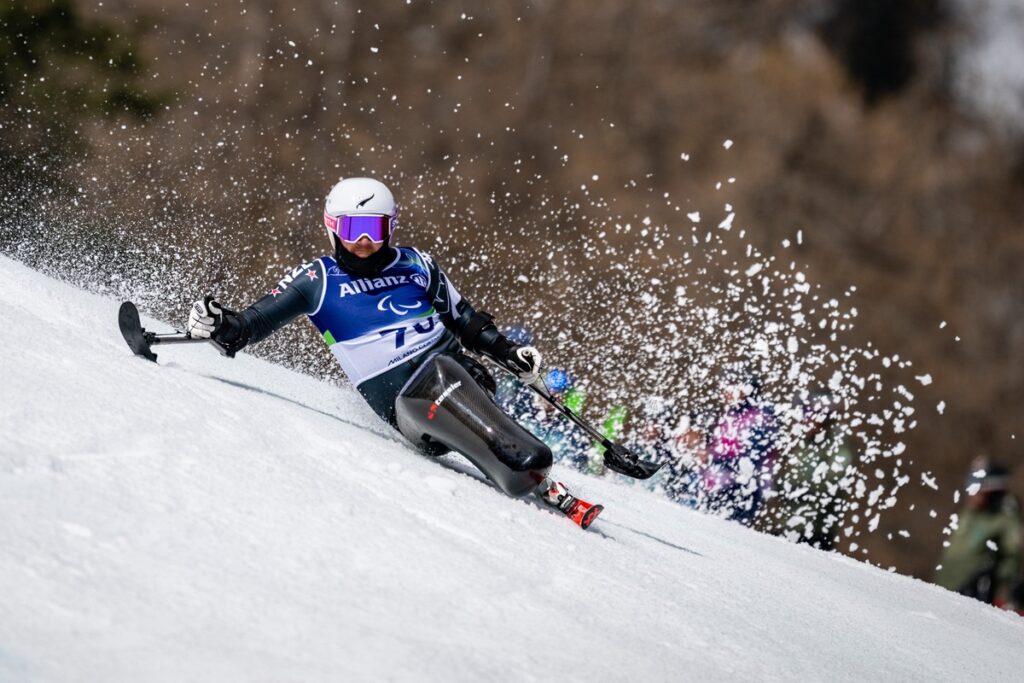
(Photo by Tom Weller/Getty Images)
Digging their way out of snowbound accommodation, buses losing traction, and jumping onto a media bus to get athletes onto the slopes for competition were among the curveballs dealt with by the NZ Paralympic Team support staff at Milano Cortina 2026.
High Performance Sport New Zealand Physiotherapist Helene Barron and Performance Psychologist Sarah de Wattignar were part of the NZ Paralympic Team support staff who helped guide Adam Hall to a Men’s Slalom Standing silver medal and supported Corey Peters to three top six finishes at Milano Cortina 2026.
Read reflections from Milano Cortina 2026 Paralympic Winter Games ➜
Three more NSOs begin priority pathway initiatives
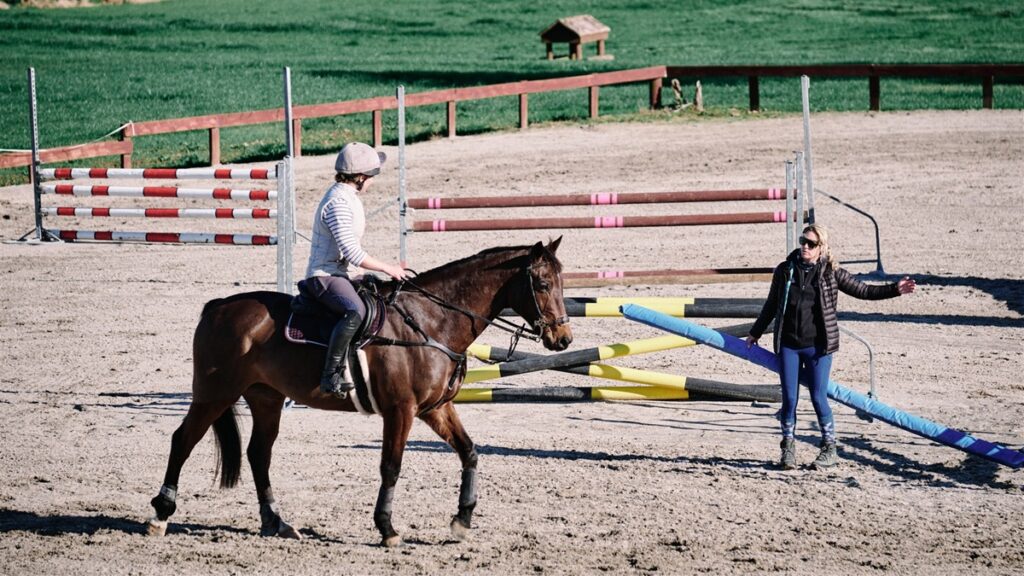
High Performance Sport New Zealand’s new pre–HP Development Framework continues to gather momentum, with a second group of National Sporting Organisations—Equestrian Sports NZ, Yachting NZ and Cycling NZ—now implementing their priority initiatives. They join Rowing NZ and Swimming NZ, who began rolling out their programmes earlier in the year.
The new framework is a cornerstone of HPSNZ’s 2025–2028 strategy and aims to strengthen the long term athlete pipeline by focusing on six pillars: leadership, pathway clarity, athlete development, coaching, daily training environments and investment. Priority initiatives funded through TAB’s one off $2.5 million investment are designed to create greater clarity, stronger development environments, and more consistent support for emerging athletes and coaches.
Introducing HPSNZ’s new Head of Sports Medicine

High Performance Sport New Zealand welcomes Dr Steve Targett as its new Head of Sports Medicine, bringing more than three decades of global sports medicine experience to the role.
Judo’s Sydnee Andrews’ campaign to Glasgow 2026
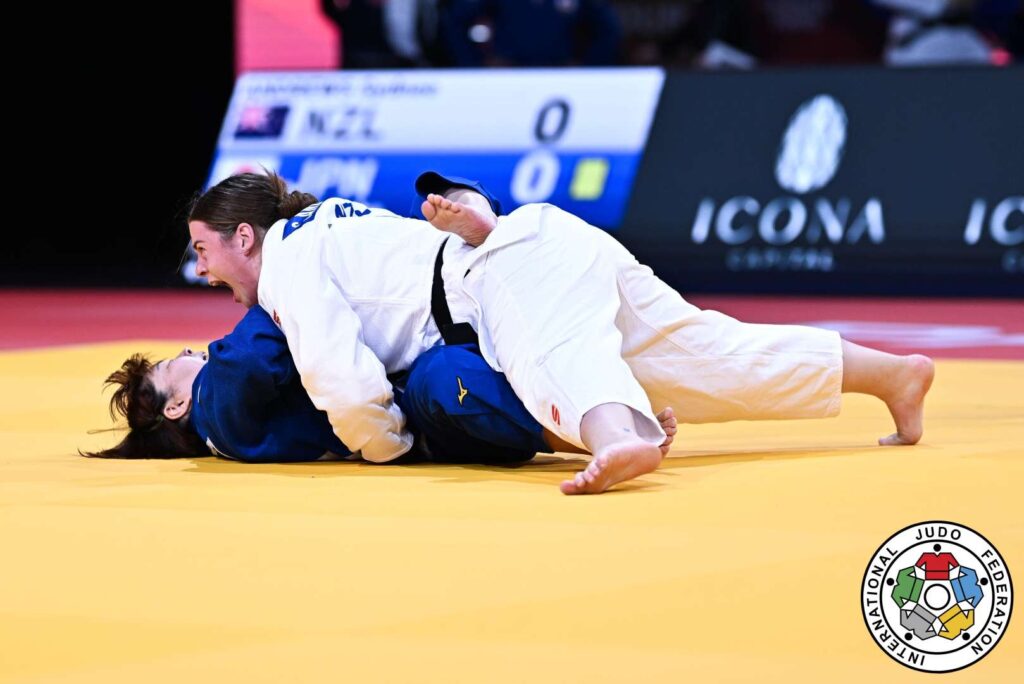
As judo prepares to take the mat at Glasgow 2026, New Zealand heavyweight Sydnee Andrews is emerging as a real medal contender and her rise is underpinned by some targeted, collaborative support from HPSNZ.
For a small, volunteer-driven sport like judo, HPSNZ’s investment has been particularly important. As a TAPS athlete at the potential level, Sydnee has been able to base herself in the UK and train fulltime under Olympic silver medal winning coach Luke Preston.
Sharing strength: Alicia Hoskin opens up in new three part video series
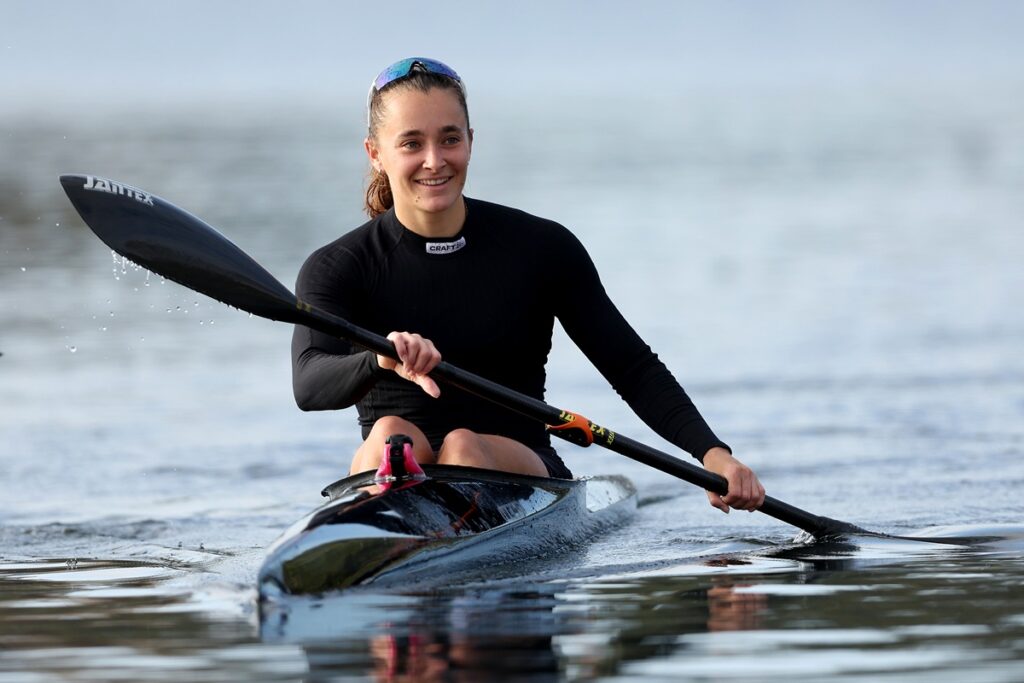
(Photo by Phil Walter/Getty Images for NZOC)
Two-time Olympic gold medallist Alicia Hoskin is stepping into a different kind of spotlight this year—one defined not by podiums, but by honesty, uncertainty, and resilience.
Fresh off her remarkable K2 and K4 victories at the Paris 2024 Olympics, Alicia now faces one of the biggest challenges of her career: major surgery for thoracic outlet syndrome, a condition that has forced her to pause the sport she loves and confront an unpredictable future.
In a new three-part video series, Alicia shares her story in her own words. With a tone that is raw, reflective, and unmistakably her, she invites viewers into the emotional reality of stopping, waiting, and rebuilding.
Part One explores the difficult decision to step away from kayaking and the identity questions that followed.
Part Two goes behind the scenes of preparing for surgery, capturing the uncertainty and loss of control that come with it.
Part Three turns toward rehab, highlighting the mental skills, support networks, and small wins that are now central to her journey.
Alicia’s intention is simple but powerful: to offer a genuine resource for athletes navigating injury, transition, or the unknown—and to reclaim ownership of her narrative at every step.
She has also shared her story in detail with LockerRoom’s Suzanne Mcfadden in this feature.
Athlete tips from the Performance Life Team – Looking ahead to April
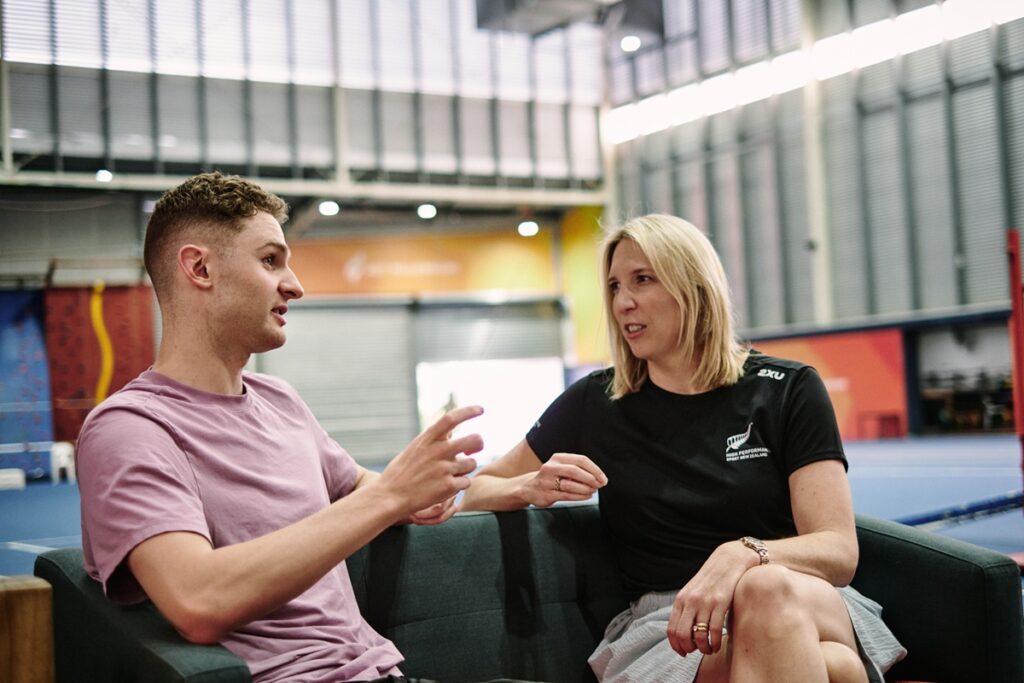
This is the first in an ongoing monthly series of tips and information for athletes from HSPNZ’s Performance Life team.
Planning for the international season
With the international season approaching, now is a great time to prepare for time spent overseas or on the move. Use this quick checklist to help stay organised:
- If you’re studying, let your lecturers know about any upcoming competition clashes
- If you need to complete assessments or exams while away, check your university’s process for sitting them remotely
- Create a clear plan for when and how you’ll study during travel
- Be aware of time zone differences and how they may affect work or study commitments
- Talk with your support team about how you’ll stay in touch while you’re away
- Talk to your NSO or coach to understand how they plan to negotiate the current global travel risks and restrictions, so you and your whānau feel comfortable.
Golden Nugget
High performance planning works best when we treat it like navigation: set the destination, monitor conditions, adjust the route and protect the fuel — so we arrive ready to perform.
Life Logistics
Whether you are studying, working, training or anything in between, make sure to check in with your Performance Life Coach to map out your sport/life plans for 2026.
Performance Life Top 5
The Performance Life team have prepared a series of short video clips to provide more useful tips and information to athletes. This month…
Top 5 Tips for Planning: Planning precedes performance – Top 5 tips for setting the intention.