Performance Nutrition: Trust your gut: Fuelling from the inside out
“Eating a wide range of foods gives my body what it needs to train hard, recover well, and stay healthy across the season.”
Training and fuelling muscles is often the focus to improve performance, but the gut plays a key role too. It’s not just about digestion, the gut helps absorb nutrients, manage hydration and support immune health. It also influences energy levels, and communicates with the brain.
A big part of this is the gut microbiome, which is made up of trillions of beneficial bacteria living in the digestive system. These bacteria help break down food, regulate inflammation, and support overall health. When the microbiome is diverse and well supported, largely through consuming a wide variety of plant fibres, athletes are more likely to feel well, energised and focused on training and competition. When gut health is off, symptoms like bloating, discomfort, reduced appetite, illness or fluctuating energy can start to impact performance.
The gut–brain–performance link
The gut and brain constantly interact via the gut–brain axis, similar to a 2-way expressway. Around 80–90% of nerve fibres in this pathway send signals from the gut directly to the brain, highlighting the gut’s powerful influence on mood, motivation, and concentration.
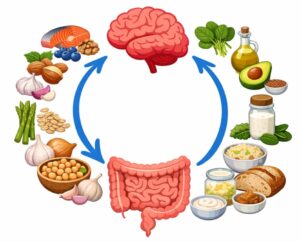
Nutrition plays an important role in the gut-brain connection. Beneficial gut bacteria produce short-chain fatty acids (when breaking down plant-based fibres), which support brain function, reduce inflammation, and may influence cognitive performance.
At the same time, psychological stress, poor sleep, and under-fuelling can disrupt digestion and gut function. In high-performance settings, supporting gut health can positively impact both physical output and mental clarity.
Gut comfort supports training consistency
When gut health is disrupted, ongoing gut discomfort can make it harder to fuel adequately during training and slow recovery between sessions.
Factors such as modality (e.g., running vs cycling), hard training, hot conditions, dehydration, long gaps between meals, and sudden diet changes all increase stress on the gut.
Building consistent, gut-friendly habits can help athletes tolerate the demands of intense training, travel, and competition.
How foods support gut health: Food variety, probiotics & prebiotics
As outlined in last month’s column, From Science to Performance – Food Variety and Performance, incorporating dietary variety not only supports performance but also supports gut health. Consuming probiotic and prebiotic foods can support a healthy gut microbiome.
Probiotics are live beneficial bacteria found in fermented foods such as yoghurt, kefir, miso, sauerkraut, kimchi, sourdough bread, and speciality drinks such as Yakult.
Prebiotics are types of fibre that feed these beneficial bacteria and are found in foods like garlic, onions, chickpeas, bananas, apples, leeks, legumes (e.g., chickpeas), and asparagus. Including both regularly helps support gut diversity and function, rather than relying on any single food or supplement.
Everyday habits that support gut health
- Eat a variety of plant foods: Different fibres feed different gut bacteria. Choose a range of fruits, vegetables, wholegrains, legumes, nuts, seeds, herbs, and spices across the week for a resilient gut. Think colourful plates. Aiming for 30+ different plant foods per week is linked with overall good gut health.
- Eat enough fibre, adding gradually: Fibre aids digestion and immunity, but increase intake slowly and hydrate well to avoid discomfort. Keep lower fibre foods for before and during training/competition to reduce gut discomfort.
- Incorporate probiotic and prebiotic foods daily, as mentioned above.
- Stay well hydrated: Fluids help keep bowel motions soft and keep digestion moving.
- Plan regular meals and snacks around training throughout the day to support digestion, energy, and recovery. Avoid long gaps between meals.
- Prioritise sleep and manage stress: Insufficient rest and elevated stress levels may impact gut function. It can speed it up or slow it down!
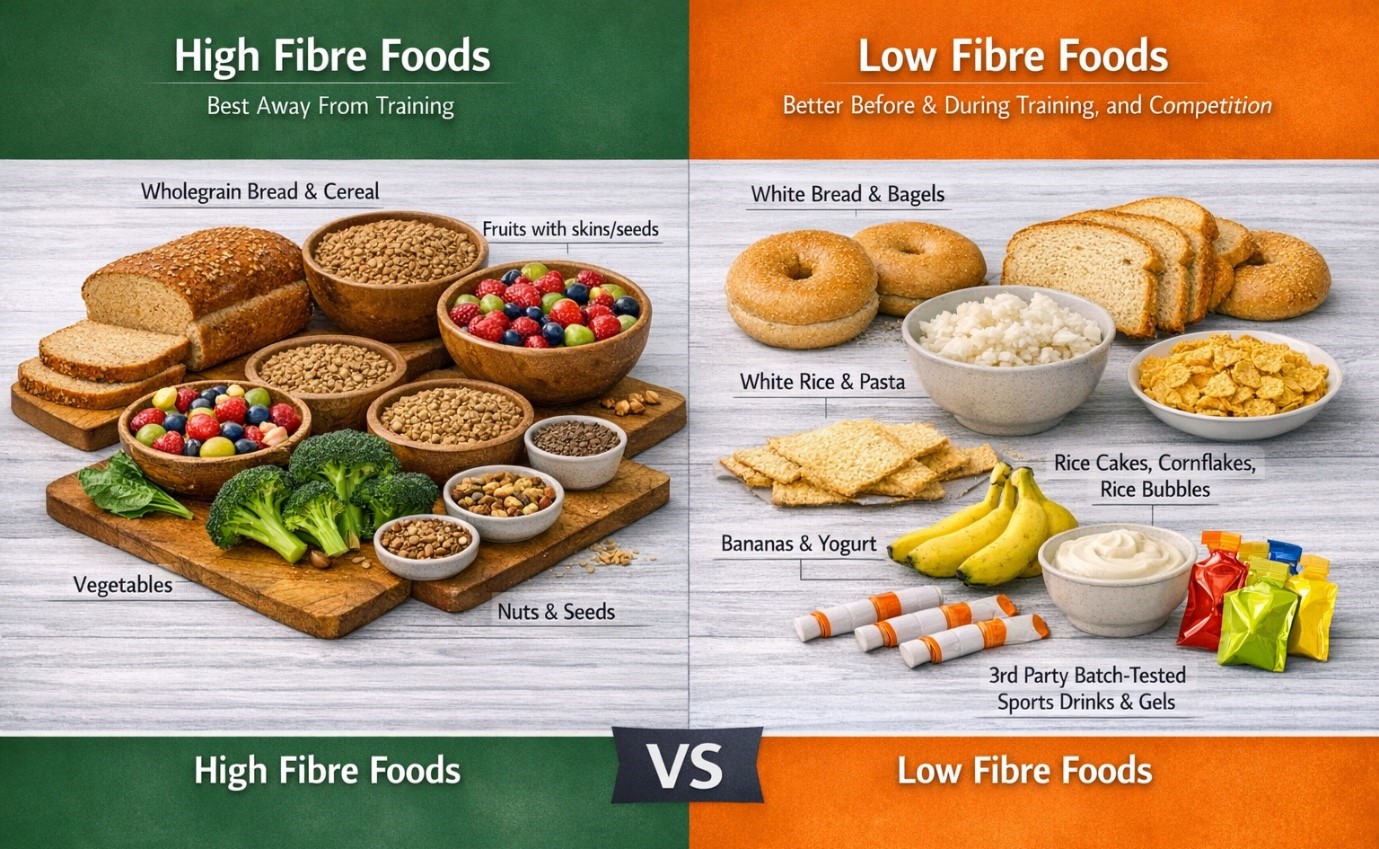
Coach’s toolbox – How to support athletes’ gut health in the training environment?
A supportive environment enables athletes to fuel and perform more consistently, with fewer gut-related disruptions. Coaches can support athletes by:
- Allowing time and access for snacks and drinks, before, during and after training.
- Supporting consistent routines with training sessions and rest. Routines help regulate digestion and reduce gut disruption.
- Encouraging athletes to practice race fuelling in training. This can reduce competition day gut issues. Prevent new foods from being trialled on competition days.
- Being mindful of cumulative stress (training + life). High stress can increase gut symptoms.
- Encouraging early discussions about gut issues and linking in with nutrition support with a Registered Nutritionist / Dietitian.
The take-home message
Consistent small habits make the biggest difference. Feeding the gut well and regularly will help athletes train, recover, and perform at their best, session after session.
In next month’s column, we’ll share practical ways to support immune health and reduce the risk of illness.
Resources
HPSNZ Information Sheet: Improving gut health
Gatorade Sports Science Institute: https://www.gssiweb.org/sports-science-exchange/article/nutrition-strategies-for-gut-health-and-immune-function—what-do-we-know-and-what-are-the-gaps