From the Chief Executive
Kia ora tātou,
I felt privileged to attend the Glasgow 2026 Commonwealth Games and see up close how the venues, local organisation and the NZ Team came together in action
Much has been written about New Zealand’s success – 36 medals against a target of 35+ – and deservedly so. The NZ Team, as ever, carried themselves superbly and produced some world-class performances when it mattered. Without wanting to single out individuals or sports, for me the Para athletes are worthy of special mention, winning nine medals from 12 campaigns – an outstanding conversion rate.
The other notable was what the local organisers and venues achieved to deliver these Games at short notice in challenging circumstances. Having got around all four venues and to most of the sports, I can honestly say they did an incredible job. Despite the limited scope and budget, they successfully adapted the model to ensure the athletes, coaches and support staff had what they needed to perform, and delivered a Games that captured the public’s hearts and minds, on the ground and through the media.
It was encouraging to hear from colleagues back in NZ that, despite a quiet build up, the New Zealand public were quick to embrace the Games and the NZ Team once competition and TV coverage began. The fact that the Commonwealth Games became a central part of the national conversation here, over their 11 days of competition, as I am sure they did in other countries, stands them in great stead for the future.
Obviously the 2030 Games in Amdavad (Ahmedabad) will be different again, but like Glasgow, I have no doubt they will show, in their own way, that the Commonwealth Games can continue to evolve and thrive.
As our GM Performance Partnerships Eddie Kohlhase discusses in this HPSNZ Update, the Commonwealth Games are also a valuable marker of performance at the mid-point of an Olympic and Paralympic cycle. As the athletes transition into their World Cups, World Championships and Olympic and Paralympic qualifying events now, with less than two years to go to LA2028, we all have a clearer indication of where they stand.
The focus of our mahi now with our NSO partners is to lean into the critical things that will make a real difference for those campaigns and provide a competitive edge for the NZ Team at LA2028.
Ngā mihi
Raelene
Glasgow 2026 provides valuable markers on the road to LA2028
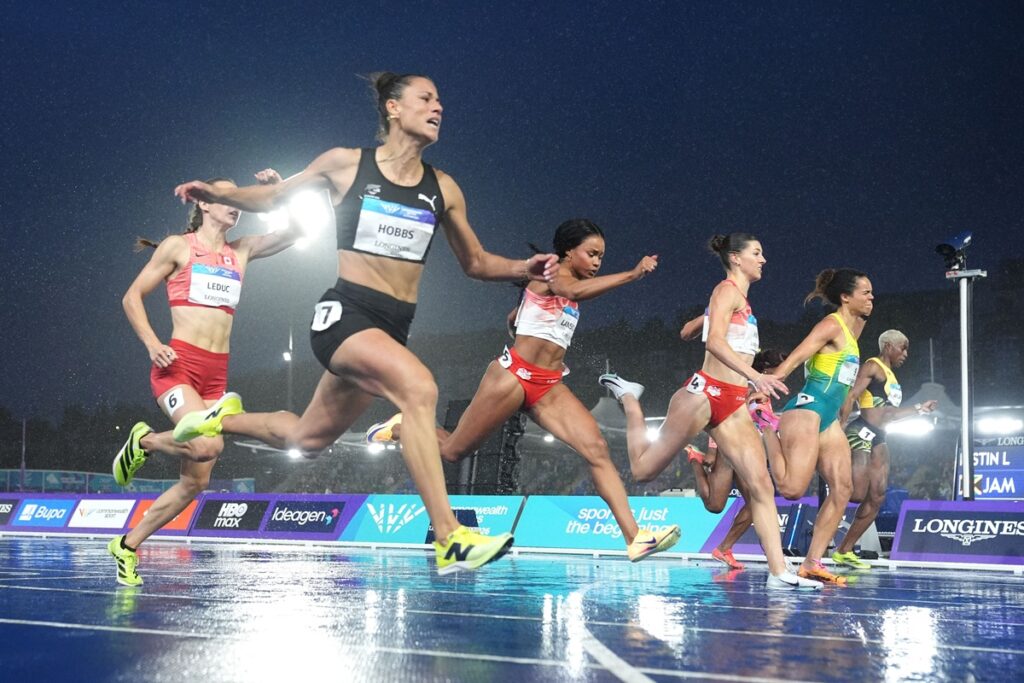
As HPSNZ and its NSO partners turn their focus toward LA2028, General Manager Performance and Partnerships Eddie Kohlhase says Glasgow 2026 provided valuable insights into the progress of New Zealand’s Olympic and Paralympic campaigns.
One of Eddie’s key takeaways was the encouraging performances delivered by several athletes and teams considered strong prospects for LA2028.
“Across a number of sports, athletes produced credible, world-class performances and achieved important benchmarks that indicate positive progression towards future podium ambitions,” says Eddie.
“Some of our likely LA campaigns performed credibly, with a number of athletes putting down performance markers that demonstrate a significant trajectory towards LA.”
Final part of Alicia Hoskin’s surgery story
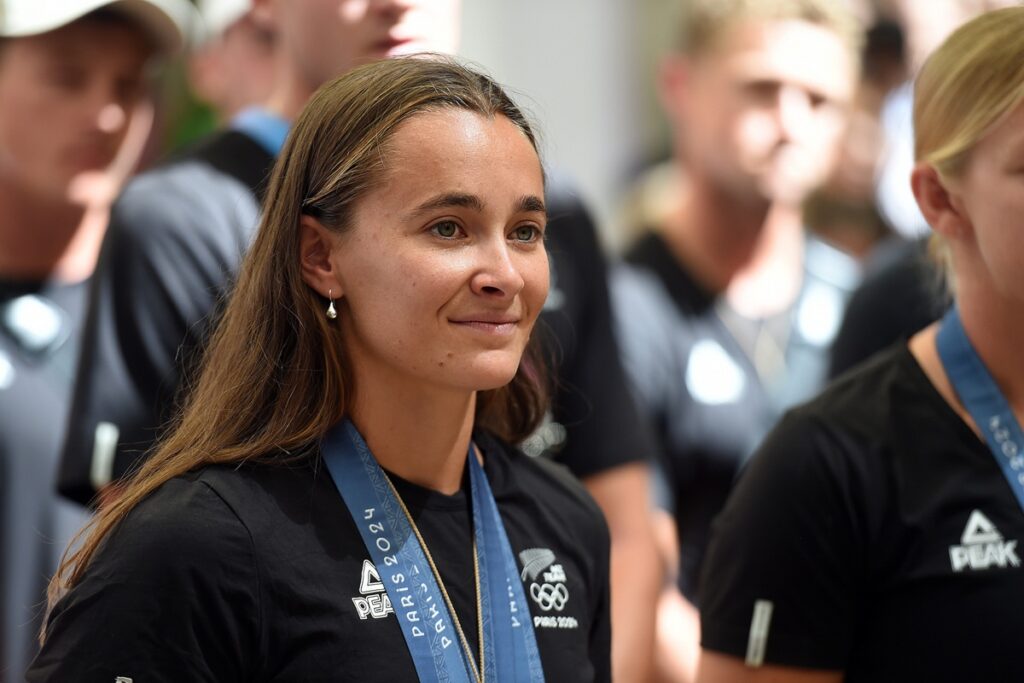
Photo: Raghavan Venugopal / www.photosport.nz
Part Three of Alicia Hoskin’s story focuses on the long and frustrating reality of rehabilitation following major thoracic surgery.
Alicia discusses the importance of staying grounded through the rehabilitation process and how she is investing in other parts of her life – coaching, university study, wedding planning and preparing for life beyond sport.
Alongside her physical recovery, Alicia shares her work on the mental side, retraining not only her body but her mindset, with support from HPSNZ’s Performance Psychology, Performance Life and her wider team.
The story culminates in Alicia’s emotional return to the water, a moment made possible through perseverance, perspective and the people who supported her every step of the way.
The final part of Alicia’s journey was featured in Suzanne McFadden’s LockerRoom story earlier this week.
Adaptability key for HPSNZ physiologist at Glasgow 2026
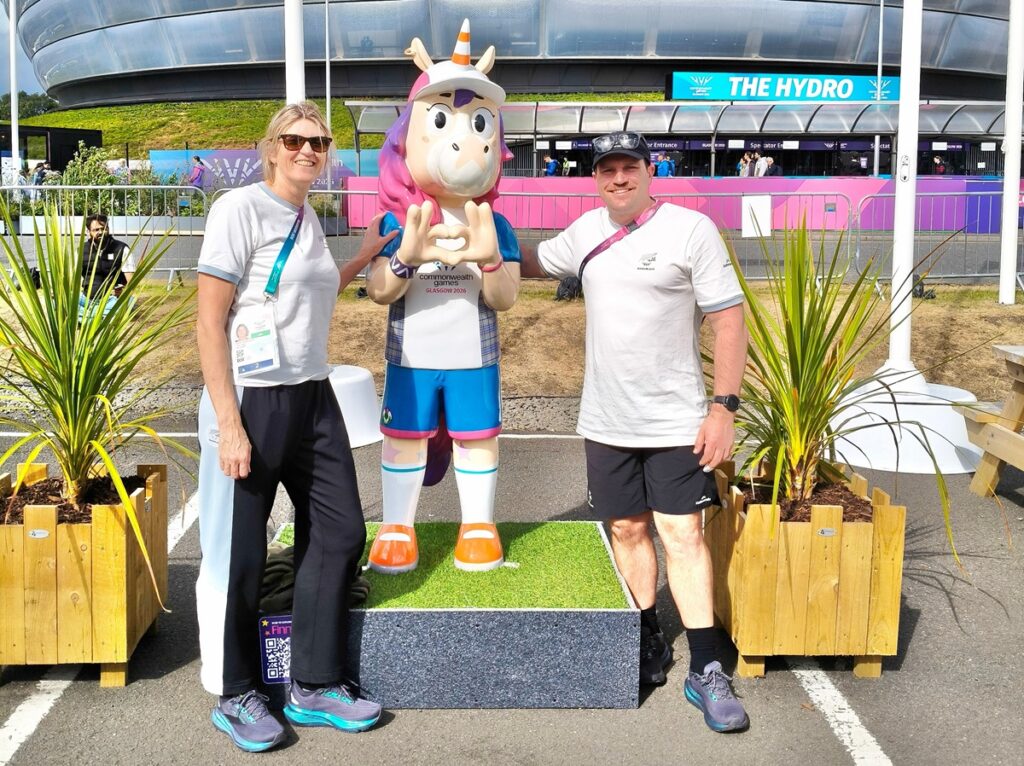
Large-scale Games environments require teams to be adaptable, and for HPSNZ physiologist Dr Stephen Fenemor, being seconded into the New Zealand Olympic Committee (NZOC) Core Support Team for the Glasgow 2026 Commonwealth Games reinforced just how important that skill is.
Heading into the Games, Stephen expected a degree of complexity and uncertainty, and the experience highlighted the importance of being able to adjust quickly as operational needs evolved.
Snow Sports NZ and Triathlon NZ strengthen future pathways
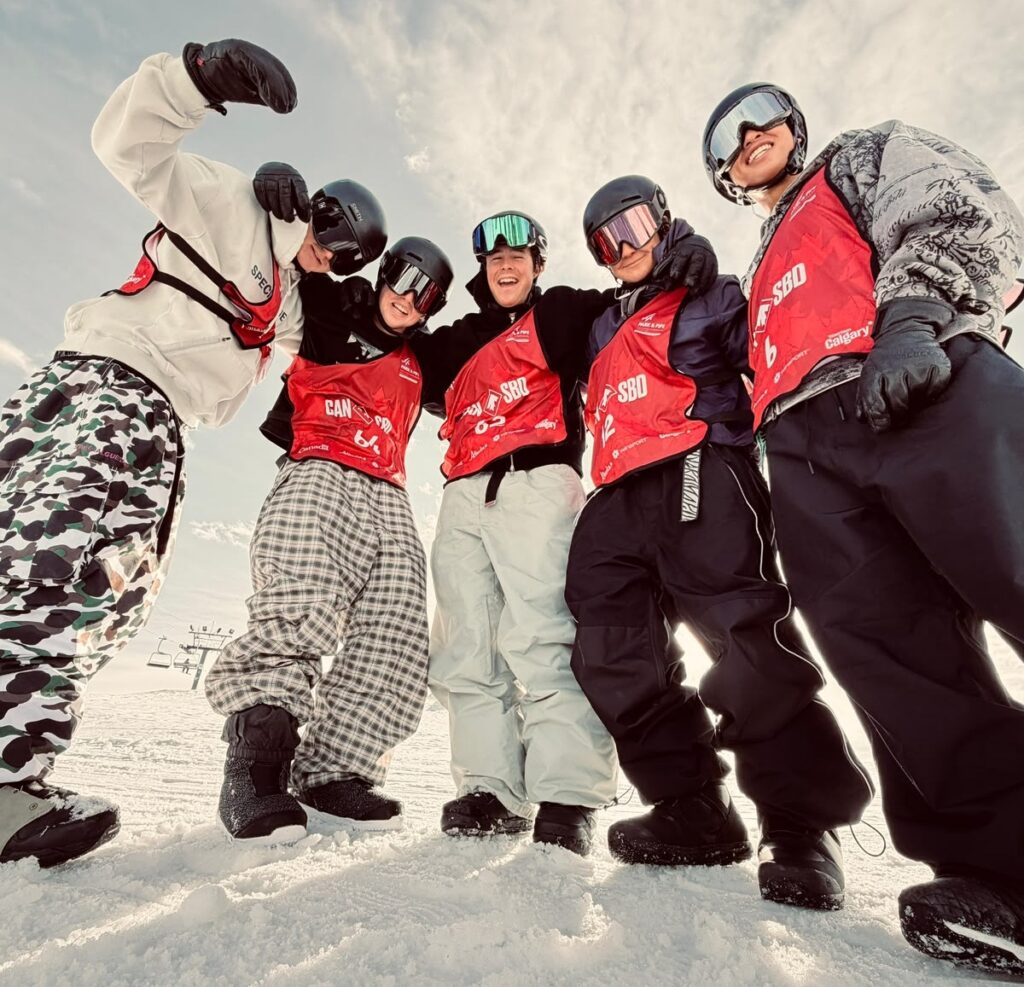
HPSNZ’s pre-HP Development Framework has now supported priority initiatives across nine NSOs, with Snow Sports NZ and Triathlon NZ having begun implementing targeted projects designed to strengthen athlete and coach development pathways towards the French Alps 2030 Winter Olympic Games, Brisbane 2032 and beyond.
The Framework, supported by a one-off $2.5 million investment, focuses on six key pillars: leadership, pathway clarity, athlete development, coaching, daily training environments and investment. Across all nine sports, the emphasis has been on creating stronger, more connected systems that better prepare athletes and coaches for the demands of future high performance campaigns.
Changes for HPSNZ Wellington facility
With no current Wellington-based high performance athletes from the sports HPSNZ invests in, and with none on the horizon, HPSNZ has made the decision to stop running our Wellington Performance Hub at Ākau Tangi.
The intention is to establish a partnership with another Wellington facility, which will enable us to stand up a ‘pod’ model and provide gym access should any athletes we support need it in Wellington. HPSNZ currently operates this model for other HPSNZ pods such as Hawke’s Bay, Mt Maunganui and Invercargill.
“For the foreseeable future, this approach is the most fiscally responsible and sustainable way to provide the appropriate service delivery to athletes in Wellington if required,” HPSNZ Director of High Performance Steve Tew says.
HPSNZ has operated a facility in Wellington since its inception in 2011 and supported several podium winning athletes, including Glasgow 2026 double gold medallist Lewis Clareburt and numerous members of successful New Zealand teams such as the Silver Ferns, Black Sticks and others.
The HPSNZ facility at Ākau Tangi is leased from Wellington City Council who have commenced discussions on the future of the site.
Finding the Games spirit in Glasgow
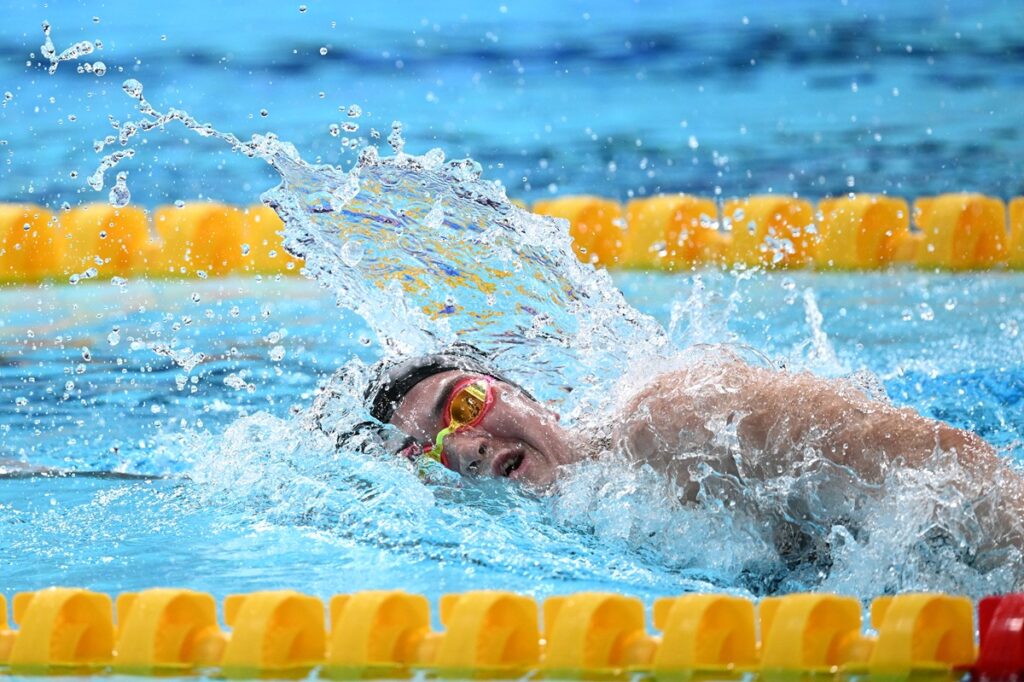
Photo by Quinn Rooney/Getty Images
For Rebecca (Becs) Longhurst, her fourth Commonwealth Games was always going to be different. Yet despite pre-Games discussions about the unique format in Glasgow, she found many familiar themes once competition began.
The HPSNZ physiotherapist travelled to Glasgow 2026 with the New Zealand swimming team, adding another major event to an impressive Games résumé that includes four Commonwealth Games, one Summer one Winter Olympic Games and two Winter Paralympic Games.
Wellbeing programme continues to evolve
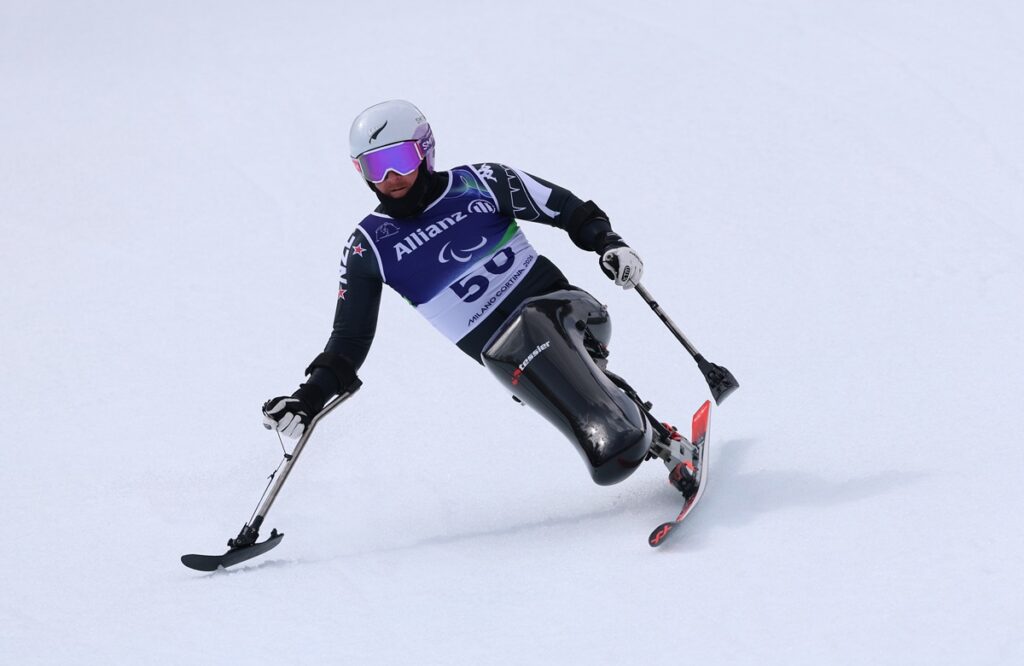
Photo by Maja Hitij/Getty Images
Three years after the launch of HPSNZ’s Wellbeing Programme, the focus is increasingly shifting from building foundational systems to developing practical, targeted resources that help athletes, coaches and support staff navigate every stage of the high performance journey.
According to Wellbeing and Engagement Lead Dr Toni Minniti, the programme continues to be anchored by three key pillars – framework and guidelines, measurement, and investment – while steadily expanding its suite of resources and support initiatives.
Team Behind the Team: The people powering Emma Foy and Jessie Hodges’ golden partnership
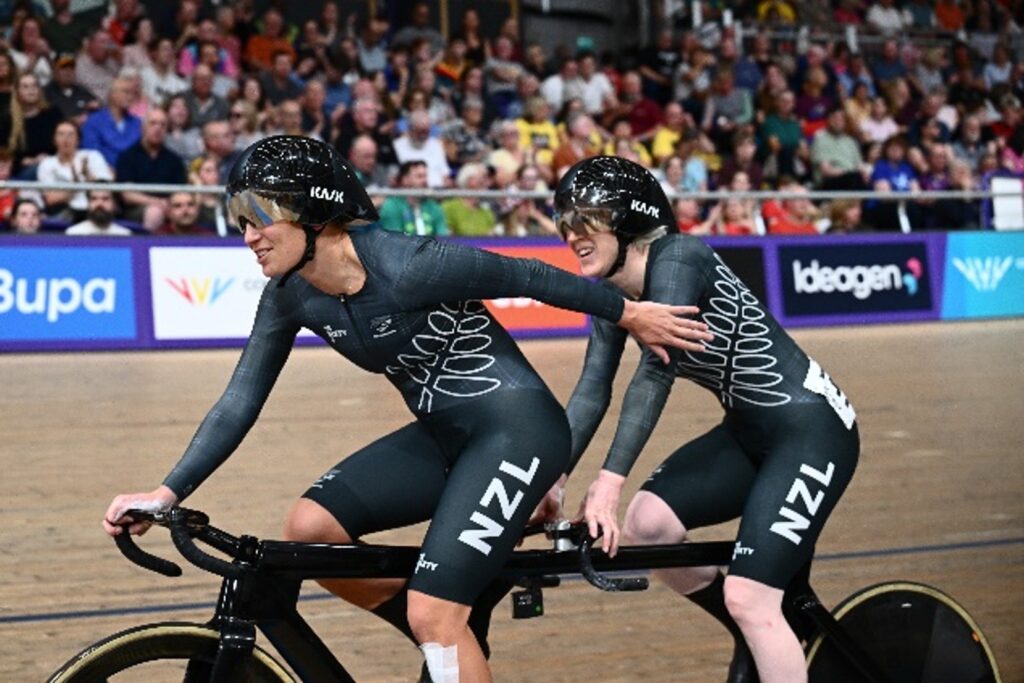
Two athletes. One bike. One goal
When Emma Foy and Jessie Hodges powered their tandem bike to double gold at the Glasgow 2026 Commonwealth Games, New Zealand saw the result of two outstanding athletes performing in perfect harmony. What was less visible was the network of experts working behind the scenes to help make that performance possible.
At the centre of that network is Para Cycling Head Coach Brendon Cameron, who brings together a multidisciplinary HPSNZ Athlete Performance Support (APS) team that includes Performance Physiotherapist Lauren Shelley, Strength and Conditioning coach Emily Cavell, Performance Psychologist Rachael Lockhart, Performance Nutritionist Penny Matkin-Hussey, Performance Life coach Christina Jacklin, Physiologist Chelsie Winchcombe and Dr Deb Robinson. Together, they form a true “team behind the team” focused on helping Emma and Jessie perform at their best.
Performance Nutrition: Body image and difficult conversations
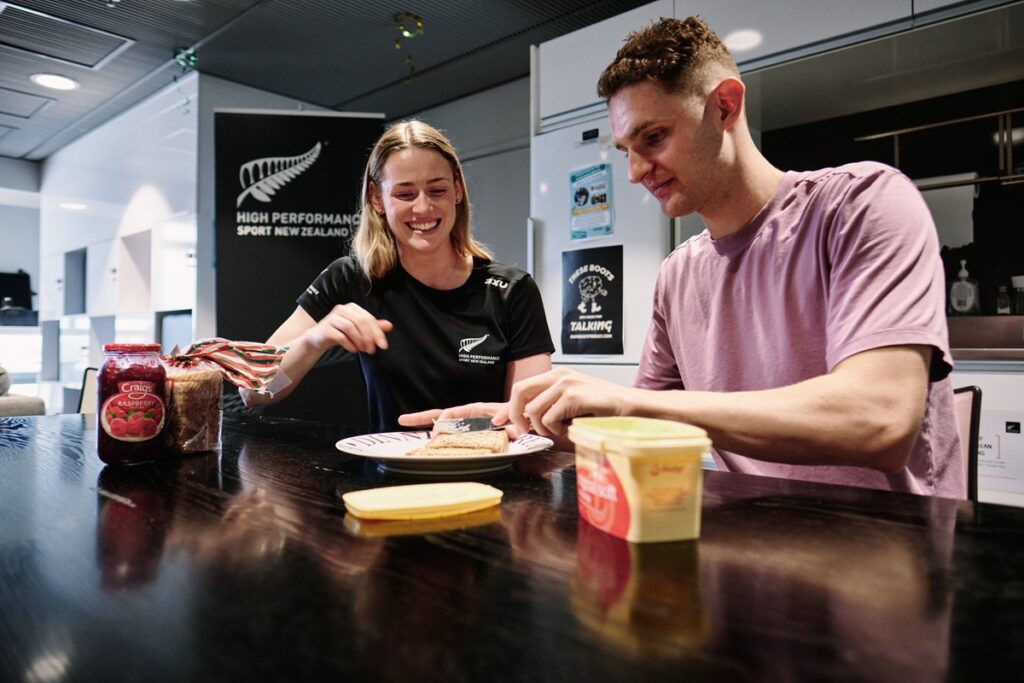
HPSNZ Performance Nutritionists Kelsey Paterson and Becky Jones
“Body image concerns can affect anyone, regardless of shape, size, gender, age, ability, or level of sport.”
High performance doesn’t have one look
How you feel about your body can shape how you train and perform, more than you may realise.
How body image may influence you
As an athlete, body image is also shaped by performance demands, sport culture, feedback, and beliefs about what an athletic body “should” look like. It can shift depending on context, especially how your body is seen or valued in sport versus everyday life.
Athlete tips from the Performance Life team: The feedback journey
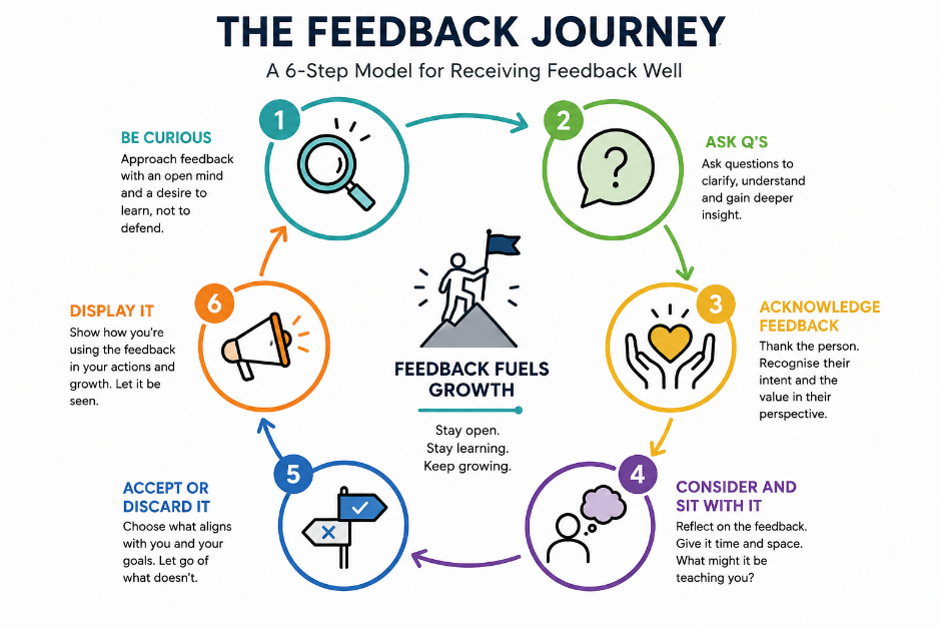
In high performance sport, feedback is part of the journey — from coaches, teammates, support staff and those around us. But receiving feedback well is a skill. The Feedback Journey provides a simple way to approach feedback with curiosity rather than defensiveness, create space to understand it, reflect before reacting, and then decide what to take forward. Because not all feedback needs to be accepted — but every piece of feedback can offer an opportunity to learn, adapt and grow.
Performance Life Top 5
This month’s video clip from the Performance Life team:
Top 5 Tips for Receiving Feedback
Golden Nugget
“You don’t have to accept every piece of feedback — but you do owe it your curiosity.”
“Feedback is information, not a verdict.”
Recommended resources
Thanks for the Feedback – The Science and Art of Receiving Feedback Well
Douglas Stone & Sheila Heen
Thanks for the Feedback by Douglas Stone and Sheila Heen – A Visual Summary