How research is powering New Zealand’s Skateboarding’s push to LA 2028
Paris 2024 only amplified that momentum, with packed crowds at Place de la Concorde and skateboarding firmly cemented as a mainstream Olympic spectacle.
Now, with the sport locked in for Los Angeles 2028, its spiritual home in California, New Zealand skateboarding is taking deliberate steps to be part of that future.
HPSNZ is investing in Skateboarding NZ with a clear strategic focus: identifying athletes who may be able to qualify for LA 2028 and supporting the targeted development of both street and park skateboarding.
A critical part of that support has been a multi-year research project led by academic Shelley Diewald, with backing from HPSNZ’s Research Manager Glenn Kearney, Auckland University of Technology (AUT), and funding from the New Zealand Sport Foundation Charitable Trust.
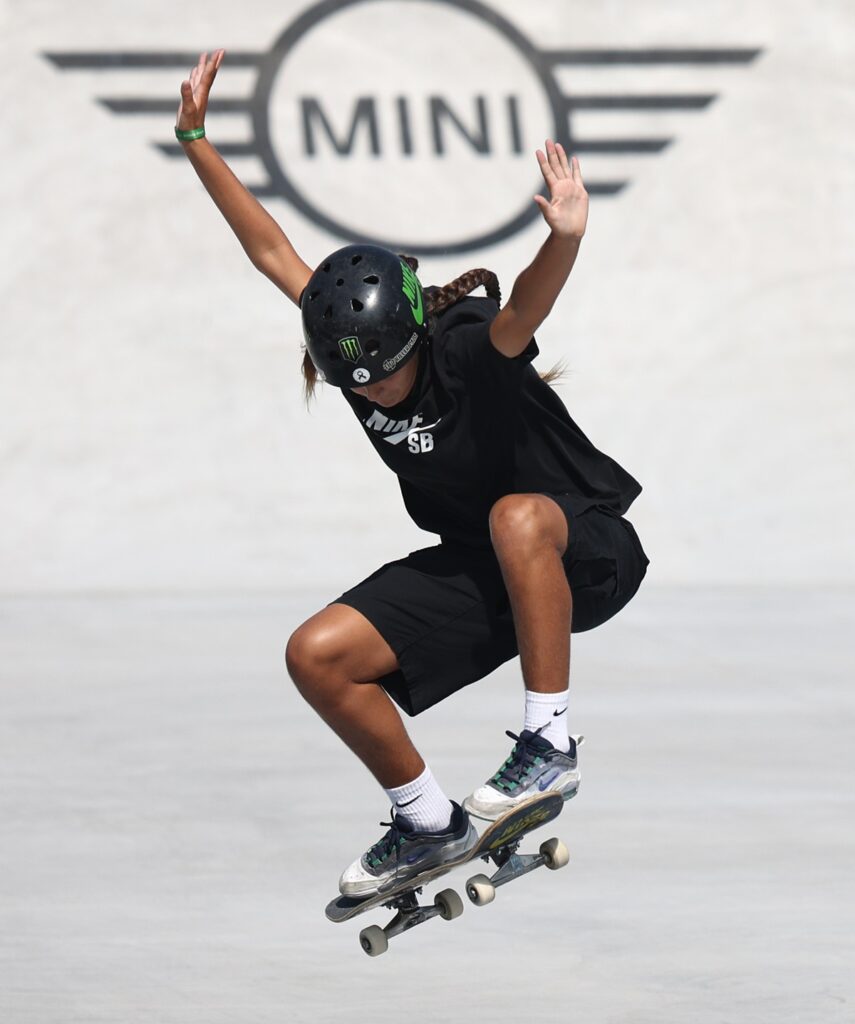
(Photo by Francois Nel/Getty Images)
At the heart of the research sits a deceptively simple yet challenging question: what does performance actually mean in competitive skateboarding?
“It’s a judged sport, and inherently subjective,” Shelley explains. “When skateboarding entered the Olympics, there wasn’t a long history of data that clearly defined what winning performances looked like. Everyone – skaters, coaches and researchers – was asking the same question: how do you win?”
Rather than jumping straight into technology-led solutions, Shelley’s PhD research stepped back to build a framework for understanding performance itself. She combined competition data from elite international events, insights from judges and surveys of the skateboarding community to capture how performance is perceived and rewarded. That work has already been translated directly into practice.
Skateboarding NZ Head of High Performance Ian Neely says the impact has been immediate and tangible.
“We’ve been using the knowledge from Shelley’s work for the past two years,” he says. “It’s helped us identify where to focus our efforts and, just as importantly, where not to.”
One example was a common assumption around physical preparation.
“We thought jump height was a limiting factor,” Ian explains. “The research showed our top skateboarders already jump at levels comparable with elite NBA athletes. That changed our thinking completely. Instead of trying to increase jump height, we shifted our focus to managing load and protecting young bodies that might be landing on concrete thousands of times a week.”
The research has also brought clarity to scoring and trends in both street and park events, helping Skateboarding NZ better understand what consistently scores well at World Skate and Olympic-level competitions. That insight is shaping coaching, competition preparation and long-term talent development, particularly for young athletes coming through the pathway.
For Glenn, the project highlights the value of applied research when it is closely embedded within a sport.
“This kind of work helps accelerate a sport’s maturity,” he says. “It gives athletes, coaches and organisations a clearer picture of what it takes to succeed on the world stage.”
As skateboarding continues its rapid evolution and prepares for its biggest Games yet in LA, New Zealand’s approach blends the sport’s creative roots with evidence-based performance insight. It’s a combination that reflects skateboarding’s Olympic journey, from subculture to centre stage, and one that could help Kiwi skaters ride confidently towards 2028.