What is endometriosis?
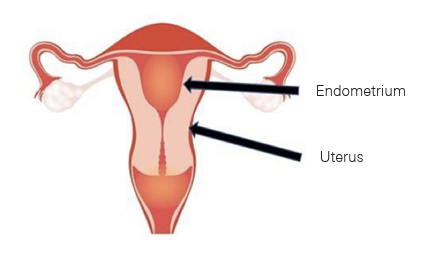
The uterus (womb) is a key structure in female anatomy. The inner lining of the uterus is called the endometrium.
Endometriosis is a condition in which endometrium is found outside of the uterus, in parts of the body where it is not supposed to be. The cause of endometriosis is unknown but it is found in about 10% of women.
Most commonly, endometrium outside the uterus is found around the uterus and ovaries within the pelvic area, but it can also affect the bowel and bladder.
Endometriosis may sometimes run in families, and individuals suffering from endometriosis may often have short menstrual cycles (but a longer period), have a low body mass index and have started periods at a relatively young age.
What problems does endometriosis cause?
Endometriosis commonly presents with very painful periods. Other symptoms might be spotting in between periods, during sex, when passing urine or with a bowel motion.
Sometimes endometriosis is diagnosed when a woman is struggling to fall pregnant.
Endometriosis can cause significant disruption to training and competition for athletes.
How is endometriosis diagnosed?
Endometriosis is often difficult to diagnose. Women experiencing painful periods should be carefully examined by an experienced doctor. Investigations may include blood tests, vaginal swabs to exclude any underlying infection and an ultrasound examination of the pelvis.
Ultimately, diagnosing endometriosis often requires a laparoscopy. Laparoscopy is keyhole surgery performed under general anaesthetic, which allows a surgeon to visualise areas of endometriosis inside the abdomen. Given the significance of surgery, this will often be delayed and medical treatment trialled. However, if pain is significantly affecting life (such as needing to miss school or work) despite medical treatment, then a ‘diagnostic’ laparoscopy will often be suggested.
How is endometriosis treated?
In the first instance, period pain (or possible endometriosis) is usually treated with pain-relief medication, such as regular paracetamol and/or a non-steroidal anti-inflammatory (NSAID). Hormonal contraception such as the combined birth control pill or the ‘Mirena’ can also be very helpful in managing the pain of endometriosis. If there is ongoing pain after 3 to 6 months of treatment with medication, then a laparoscopy may be considered.
During a laparoscopy, surgeons will remove any visible endometriosis tissue and after surgery contraceptive hormones may be used to prevent further endometrial regrowth.
Athletes with concerns about lower abdomen or pelvic pain should discuss their symptoms in detail with their doctor.