From the Chief Executive
Kia ora tātou,
The Glasgow Commonwealth Games have come more sharply into focus this month with the first NZ Team selection announcement (pictured) aligning with the 100 days to go milestone last week.
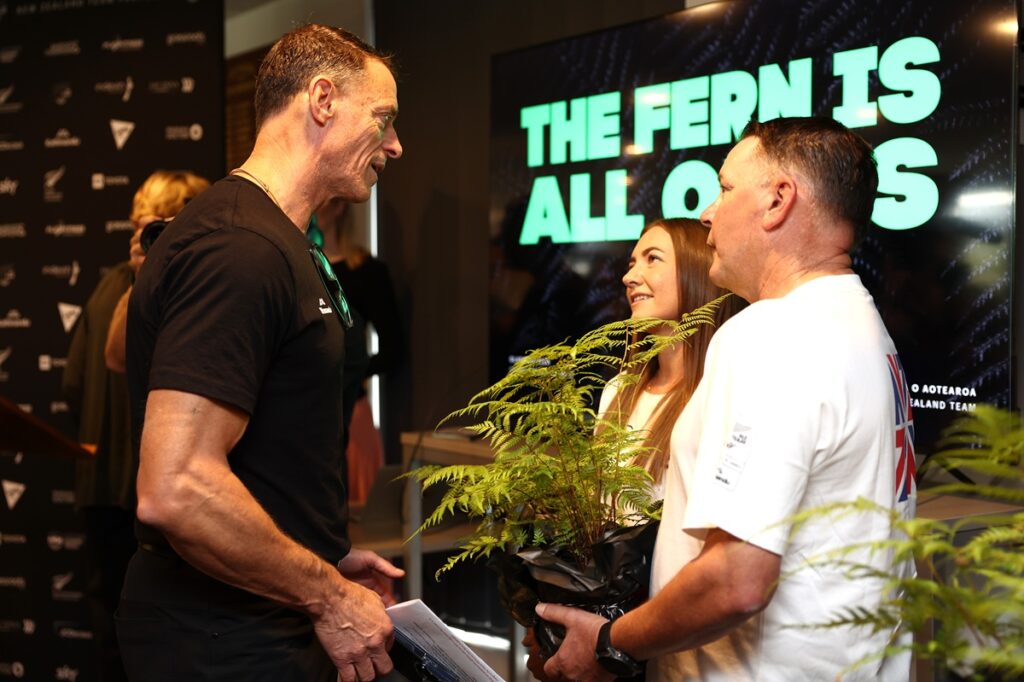
(Photo by Phil Walter/Getty Images for NZOC)
Great to see bowls – a sport close to my heart – and Para bowls, featuring in the first selection announcement, which highlights a couple of the unique features of the Commonwealth Games. Firstly, we get to see non-Olympic sports such as bowls and netball in the spotlight at a global multisport event. And secondly, this is the only multisport event where Para and able-bodied athletes compete together in one team, something I know all the athletes value highly.
Congratulations to the bowls and para bowls athletes selected. I know you will do New Zealand proud in Glasgow.
We look forward to further team selection announcements in May and June ahead of the Games kicking off on 23 July.
As we acknowledged last month, the current global situation has made international travel for athletes and teams much more complicated and costly than it was just a few months ago. Our NSO partners are doing an awesome job of negotiating this challenging environment to get their athletes to where they need to be around the world. With a busy international sporting calendar over the next few months, we will continue to work closely with sports on this.
We’ve also continued to progress our investment in our NSO partners’ pre-HP development pathways. Thanks to a one-off fund of $2.5 million from the TAB, HPSNZ has so far allocated funds to priority initiatives from 13 sports with the goal of creating environments that accelerate growth and prepare athletes for future high performance.
Ngā mihi
Raelene
Turning data into performance: Cycling NZ’s science-led path to Glasgow 2026 and beyond
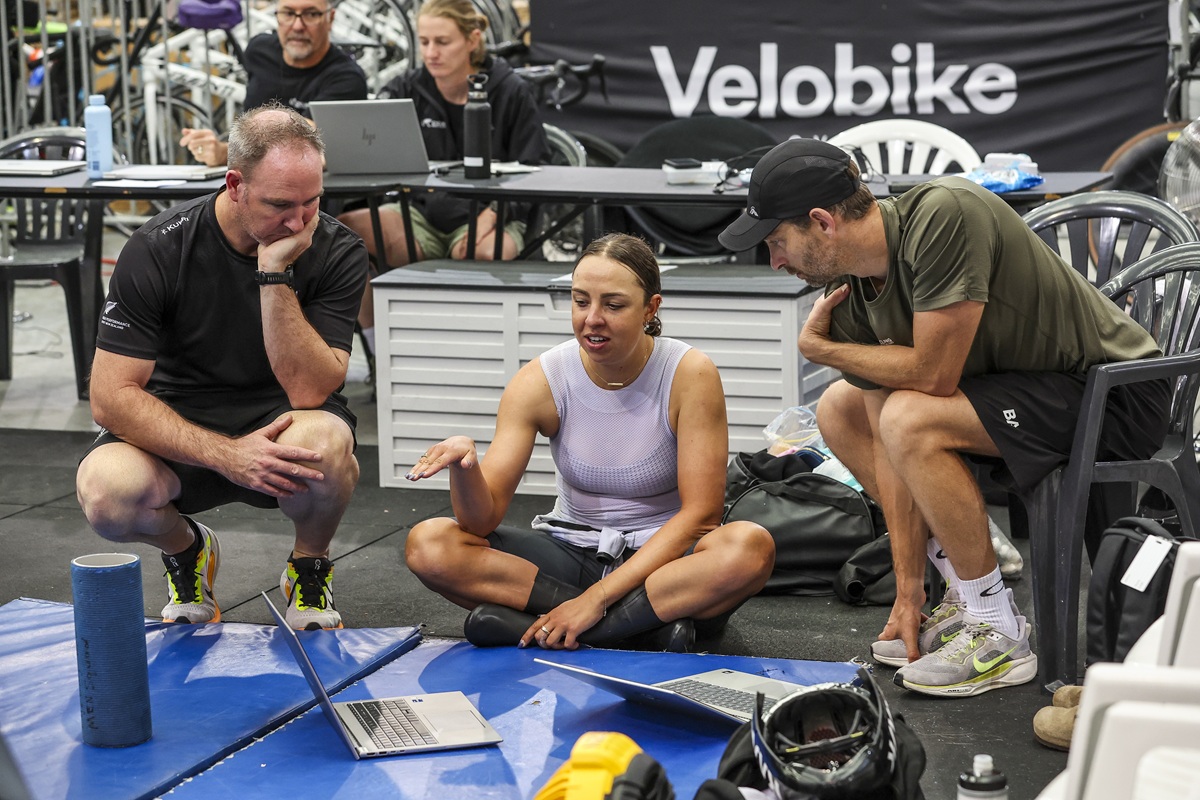
Photo: DJ Mills / Photosport
As Cycling New Zealand builds towards the Glasgow Commonwealth Games, the real focus of its Performance Science and Performance & Technique Analysis (PTA) programme extends well beyond a single event.
With world cups, world championships and ultimately LA2028 firmly in sight, the programme is centred on one core objective: using better data, better systems and faster feedback to help athletes consistently deliver world class performances.
Women In Sport Congress: Building the future of female athlete performance
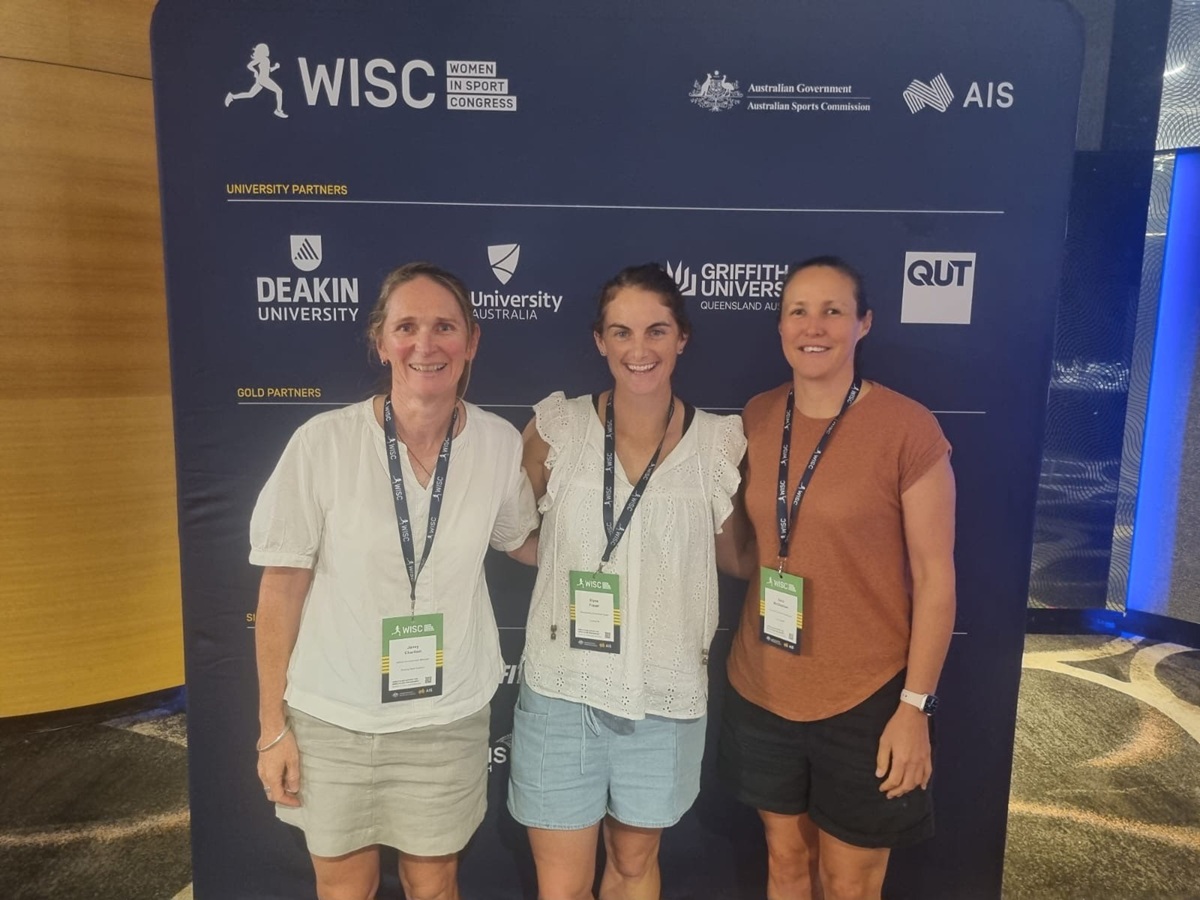
For five New Zealand women working in the high performance and coaching space, the recent Women in Sport Congress represented an important step forward in the evolving approach to female athlete health and performance, grounded in collaboration, translation and real-world application.
“We weren’t just attending another conference,” says Jody Cameron, HPSNZ Te Hāpaitanga lead. “We’re on the edge of building something more collaborative and more impactful.”
Glasgow-bound container on its way
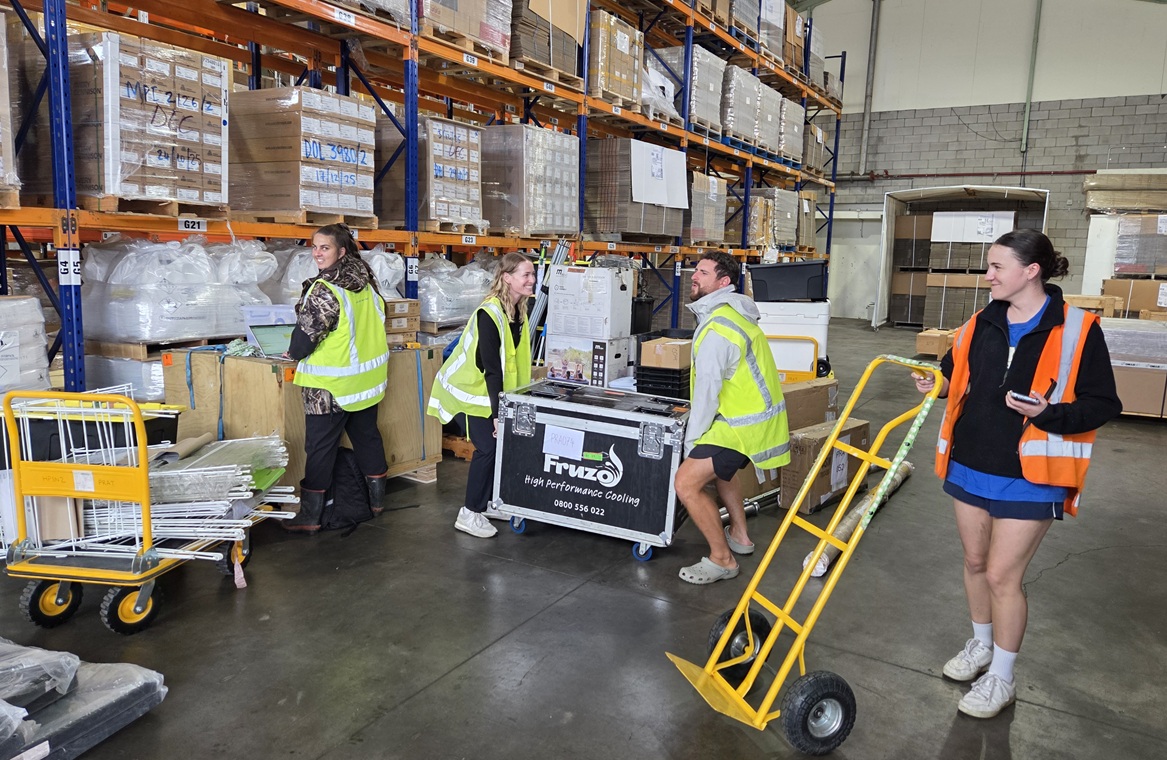
While April marked the 100 days to go milestone for Glasgow 2026, HPSNZ and NZOC staff were hard at work packing a container of preparation and recovery supplies and equipment for the NZ Team to use during the Games. Pictured (from left): HPSNZ’s Danielle Robertson, Kelsey Paterson and Alex Anastasiou join the NZOC’s Ella Agnew loading the final few items into the container, which is now on its way to Glasgow.
From athlete insight to innovation impact: Ben Westenberg’s role in shaping Para cycling performance
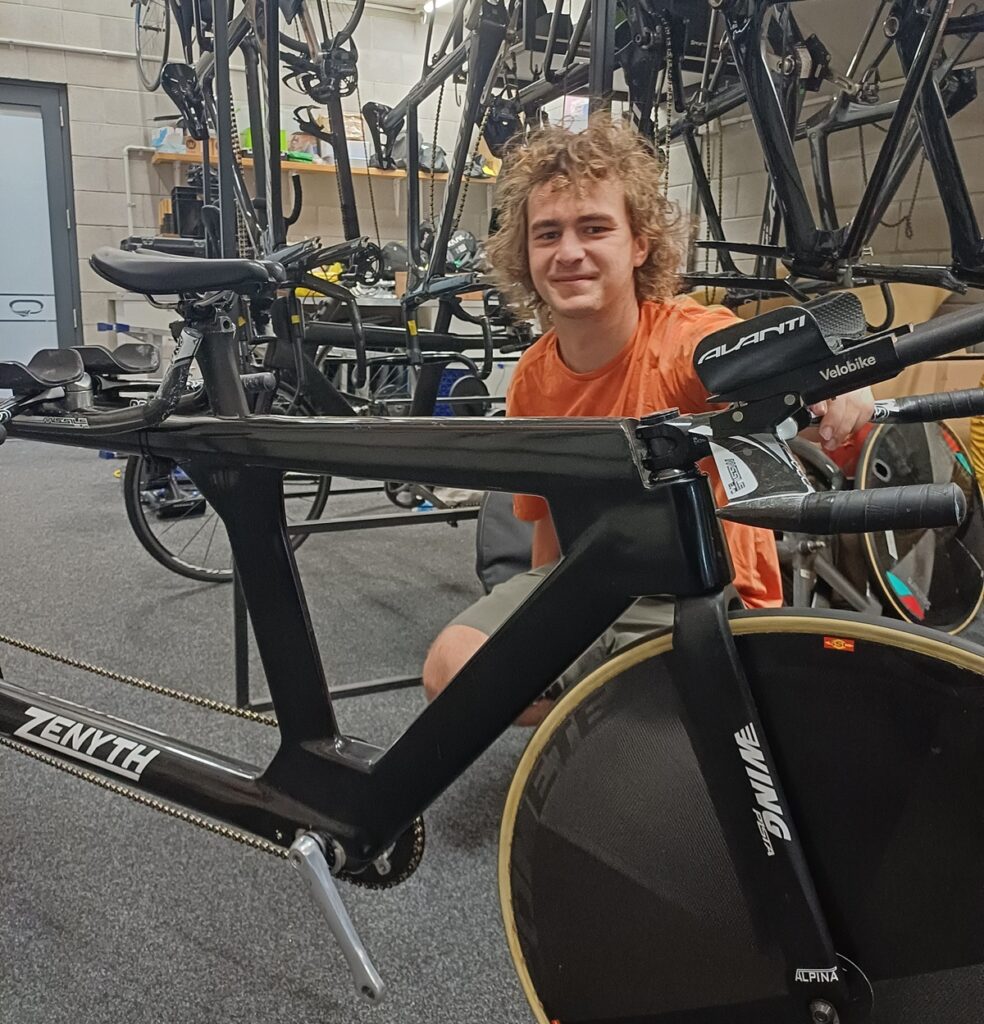
A partnership between HPSNZ Innovation and Cycling New Zealand is delivering practical performance gains for Para cyclists as preparations build towards the Glasgow Commonwealth Games, with Paralympic cyclist and emerging engineer Ben Westenberg playing a key role.
Ben brings a rare combination of lived athlete experience and technical capability to Cycling New Zealand’s innovation programme. With Para cycling now fully integrated within Cycling NZ, his work is helping ensure athletes have access to equipment solutions that are not only innovative, but fit-for-purpose on race day.
Performance Nutrition for athletes and coaches
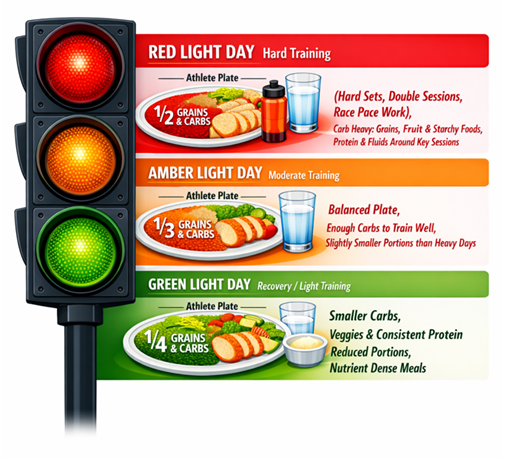
The role of Performance Nutrition is an integral part of HPSNZ’s collaborative and integrated approach to athlete performance support.
HPSNZ Update will run a monthly column from our Head of Performance Nutrition, Christel Dunshea-Mooij, and her team of performance nutritionists based at high performance centres around the country, delivering innovative and evidence-based expertise for athletes and coaches.
The series will drill down into specific areas of performance nutrition and provide the latest insights and practical information for athletes along with specific tips for coaches. Additional resources will also be provided at the end of each column.
From Science to Plate: Fuelling for the work done
Christel Dunshea-Mooij
“When I match my fuel to my training load, I perform better, recover faster, and have the energy to manage daily life, not just sport.”
Some athletes have very high energy needs. Tour de France riders eat around 9,000 kcal a day, and some elite rowers even more during their heavy training phases.
While most athletes won’t need that much, energy needs are still far higher than most people. Even if a sport doesn’t always feel high intensity (like sailing, gymnastics, or weightlifting), long training days and limited chances to eat make it harder to fuel adequately.
An athlete’s body starts to struggle if they don’t eat enough, especially during busy or high training periods.
Feeling flat, having trouble concentrating or noticing that training feels harder than it should are some of the key indicators of under-fuelling. Over time, this will impact strength, recovery, performance and health.
How research is powering New Zealand’s Skateboarding’s push to LA 2028
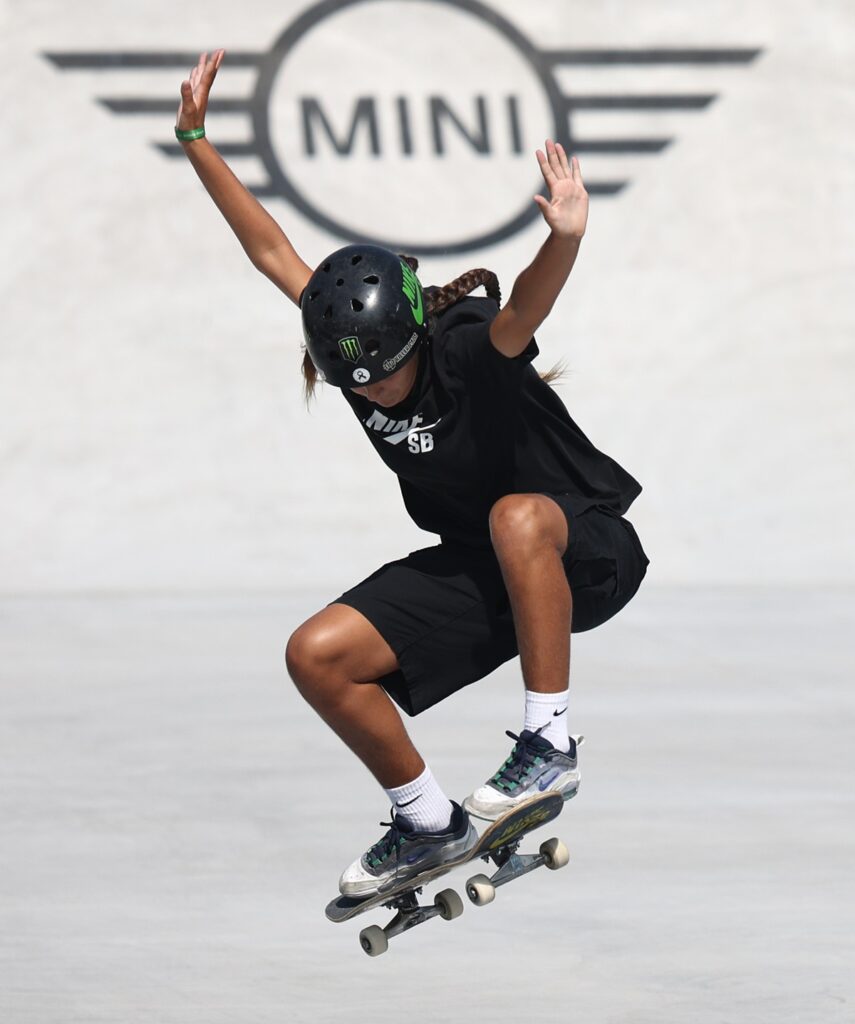
(Photo by Francois Nel/Getty Images)
When skateboarding burst onto the Olympic stage in Tokyo in 2020, the youthful energy, creativity and camaraderie between competitors immediately captured global attention.
Paris 2024 only amplified that momentum, with packed crowds at Place de la Concorde and skateboarding firmly cemented as a mainstream Olympic spectacle.
Now, with the sport locked in for Los Angeles 2028, its spiritual home in California, New Zealand skateboarding is taking deliberate steps to be part of that future.
HPSNZ is investing in Skateboarding NZ with a clear strategic focus: identifying athletes who may be able to qualify for LA 2028 and supporting the targeted development of both street and park skateboarding.
A critical part of that support has been a multi-year research project led by academic Shelley Diewald, with backing from HPSNZ’s Research Manager Glenn Kearney, Auckland University of Technology (AUT), and funding from the New Zealand Sport Foundation Charitable Trust.
Alicia Hoskin continues her story
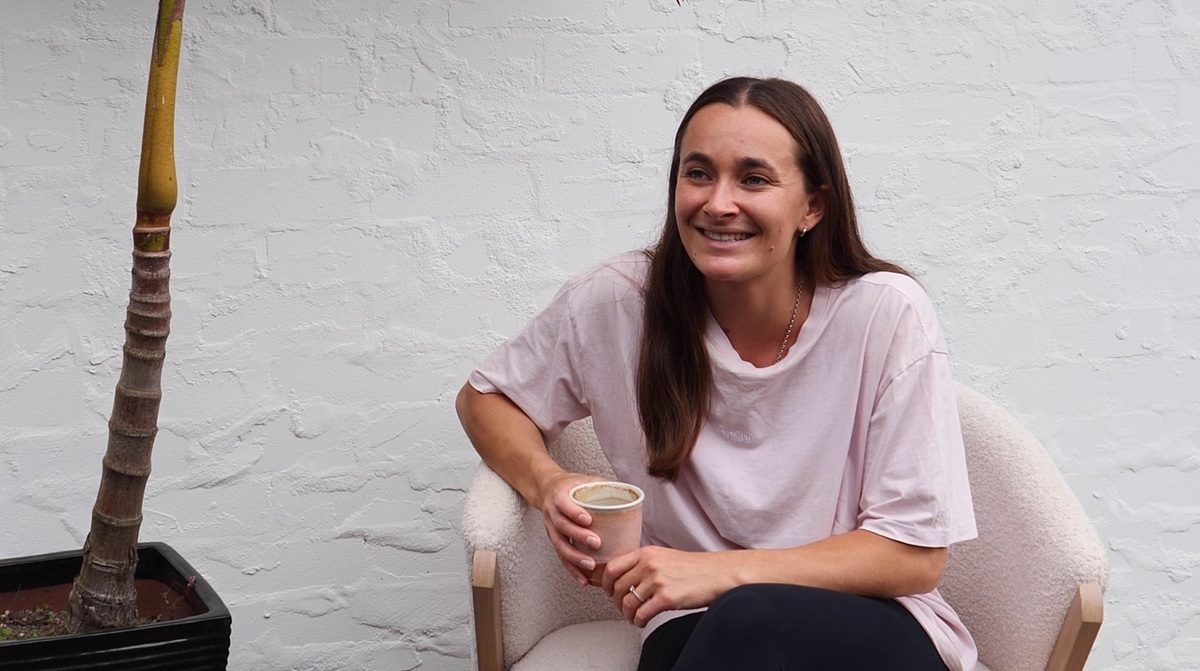
Part Two of Alicia Hoskin’s story navigating major surgery for thoracic outlet syndrome, a condition that has forced her to pause the sport she loves, has been released.
In the second of the three-part video series, Alicia discusses why surgery was the best option for her and looks behind the scenes as she preps for surgery. It also explores the uncertainty and loss of control that came with it.
Alicia’s story has been picked up by media around the country who have recognised and reported on her courage in sharing her story and providing it is a genuine resource for athletes navigating injury.
The third and final video in the series will look at her rehab, highlighting the mental skills she has had to draw on, and the support of her networks including Canoe Racing NZ and HPSNZ.
Athlete tips from the Performance Life team: High performance basics that matter
This month the Performance Life team provides some tips and insights about high performance basics and self-reflection, along with TNTs (tiny noticeable things that take no talent), some additional reading and the monthly golden nugget.
High performance basics that matter
• Be early, not just on time
Being early shows respect, reduces stress, and improves focus. Build buffers and arrive ready, not rushing.
• Your behaviour always communicates
How you show up, listen, and engage matters. Put phones away, acknowledge people, and be present and polite
• Manners under pressure count
Respect isn’t conditional. Win with humility, lose with composure, and manage frustration professionally.
• Be responsive to messages
Reply to emails and messages promptly—even a short acknowledgment builds trust and professionalism.
• Communicate early and clearly
Raise issues before they become problems. Be clear, honest, and brief—especially when things aren’t perfect.
• Take responsibility for impact
It’s not just what you say, but how it lands. Adjust tone, listen, and clarify when needed.
• Do the basics consistently
Reliability builds trust. People notice who can be counted on every day, not just on competition day.
Bottom line:
Talent gets attention. Behaviour earns trust and opportunity.
Golden nugget
“If you take care of the small things, the big things take care of themselves.” – Emily Dickinson
Self-reflection
At the end of each week, ask yourself:
If the answer is sometimes – that’s the work on.
Performance Life Top 5 – Tiny Noticeable Things that Take No Talent (The TNTs)
Eat the elephant one bit at a time.
Procrastination and avoidance are very easy in the moment but gradually become that weight that holds you back. Take the first small step towards achieving your goal and this momentum will help with further action. Take care of the little details. Put strong foundations in place to create a platform to be stronger and go higher.
This month’s video clip from the Performance Life team
Top 5 tips to stand out positively – Little things you can control that make a big difference
Recommended resources
Book: Atomic Habits by James Clear. Tiny changes, remarkable results. Shows how to transform habits and get 1% better every day.
Video: Best Ways to Build Better Habits & Break Bad Ones – James Clear